Root Word: Nutritive
May 2026
This Root Word series examines the words and concepts we use in herbal medicine and practice.
Nutritive can mean simply pertaining to nutrition. In Latin the word nutrio means to feed, but also to suckle or nurse. Nutritive to me does have connotations of nourishing and feeding oneself, choosing foods and herbs to nurture and care for the body.
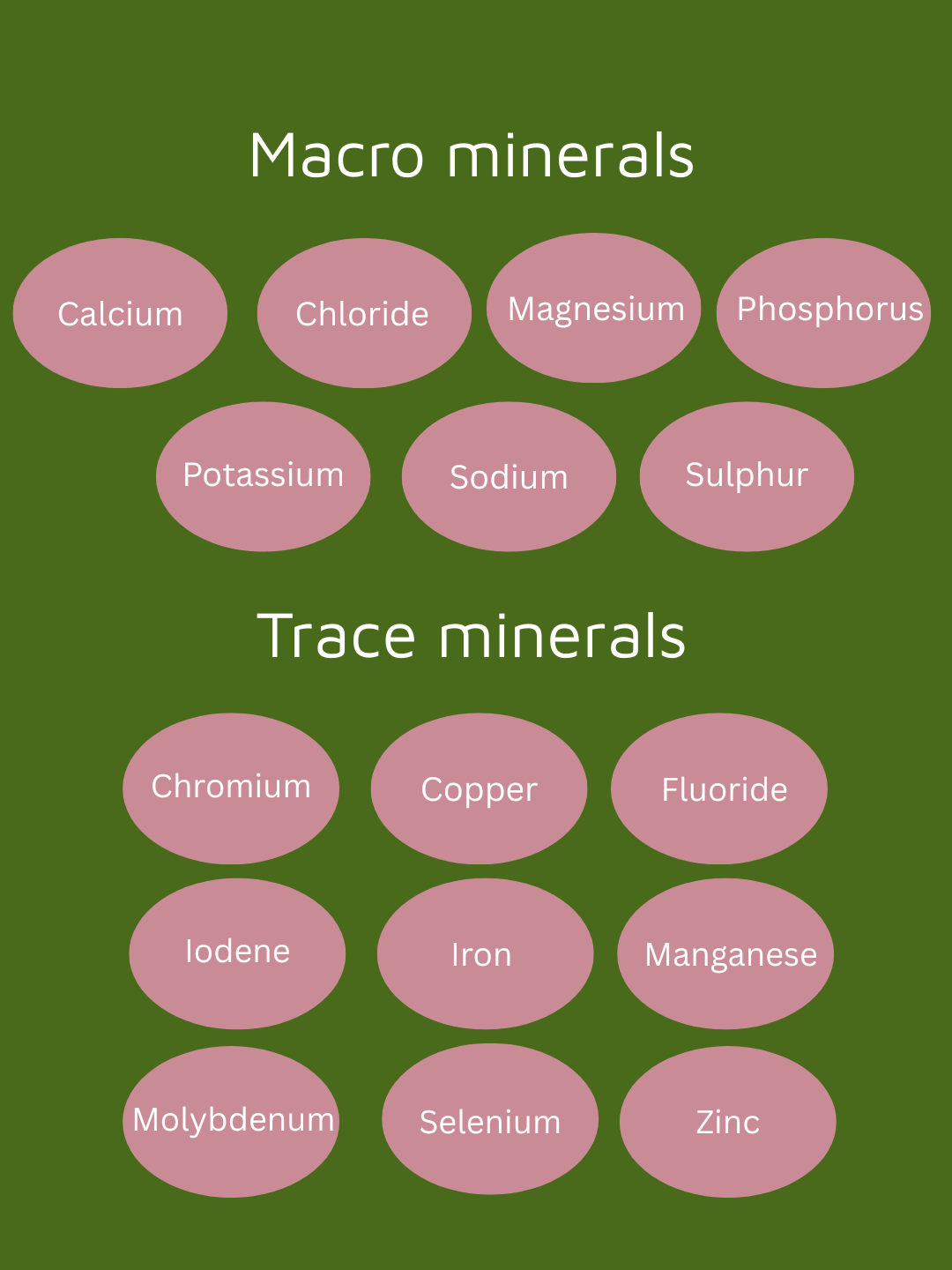
In herbal medicine nutritive is used to describe and categorise herbs which contain significant amounts macronutrients, vitamins and minerals – our basic building blocks for life and health – as well as their numerous additional medicinal phytochemicals.
Nutritive herbs are often those which have a dual use as food and are usually considered generally safe. They are commonly used as a ‘base’ in formula with herbs directed towards symptom patterns, tissues or organs layered on top. Nettle, oat straw and raspberry leaf are examples of nutritive herbs.
holding space
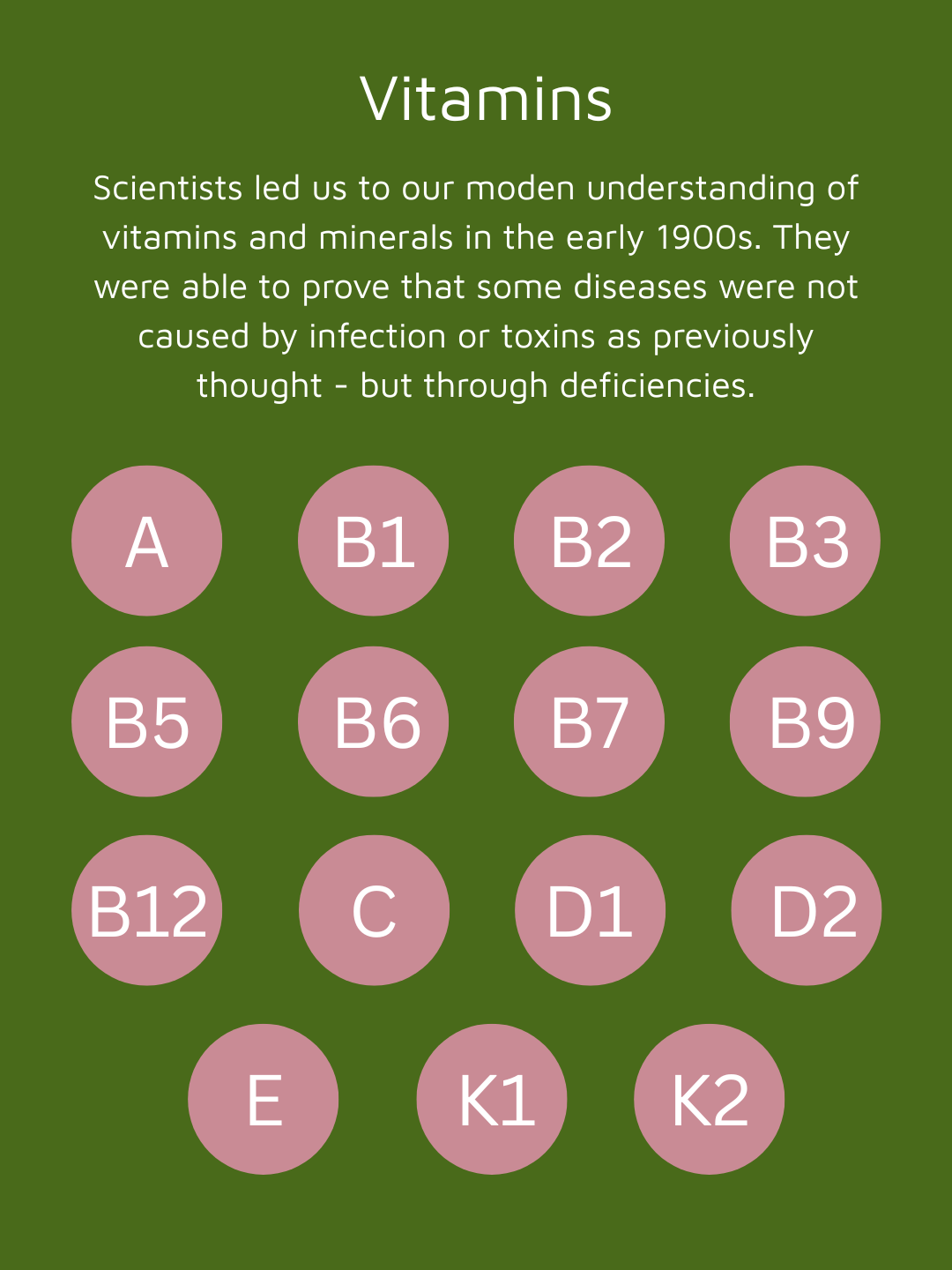
Western diets offer us plenty of processed foods. They are hard to avoid, supermarkets are stacked with them, they are tailored to our taste buds, marketed to us and are very moreish! These have had their original ingredients broken down, industrially processed and reformed, so they are usually lower in the diversity of nutrients you will find in the original plant or ingredient.
We also have the issue of soil depletion and a lack of organic growing methods leading to reduced nutrient and mineral content in our food to start with. This, alongside common digestive issues like acid reflux, IBS, IBD, SIBO and dysbiosis can mean a reduced ability to properly digest, absorb and assimilate nutrients from our food.
For these reasons nutrient deficiencies are common. And when we are missing fundamentals over time it can result in imbalances, which over years lead to chronic problems.
holding space
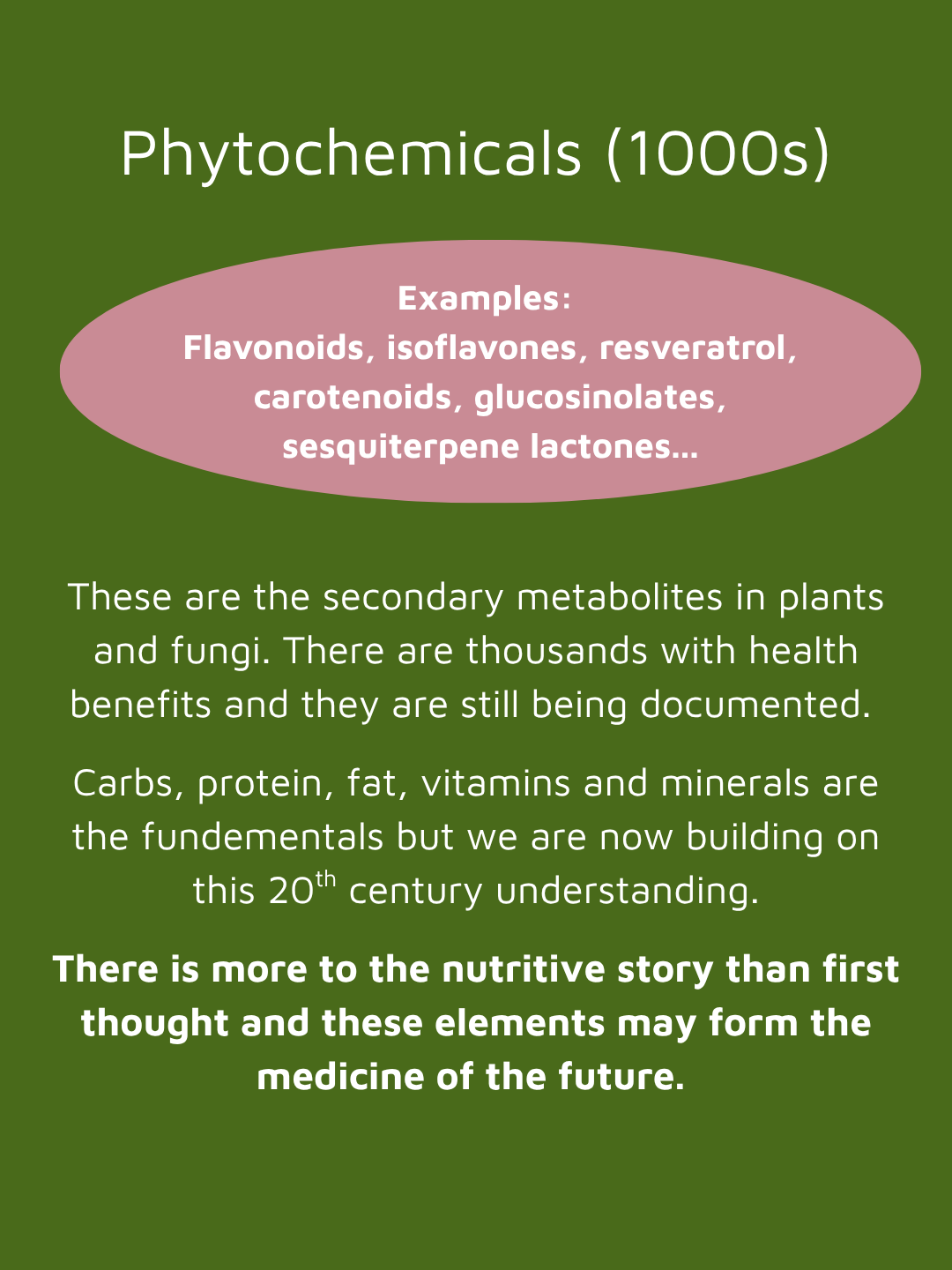
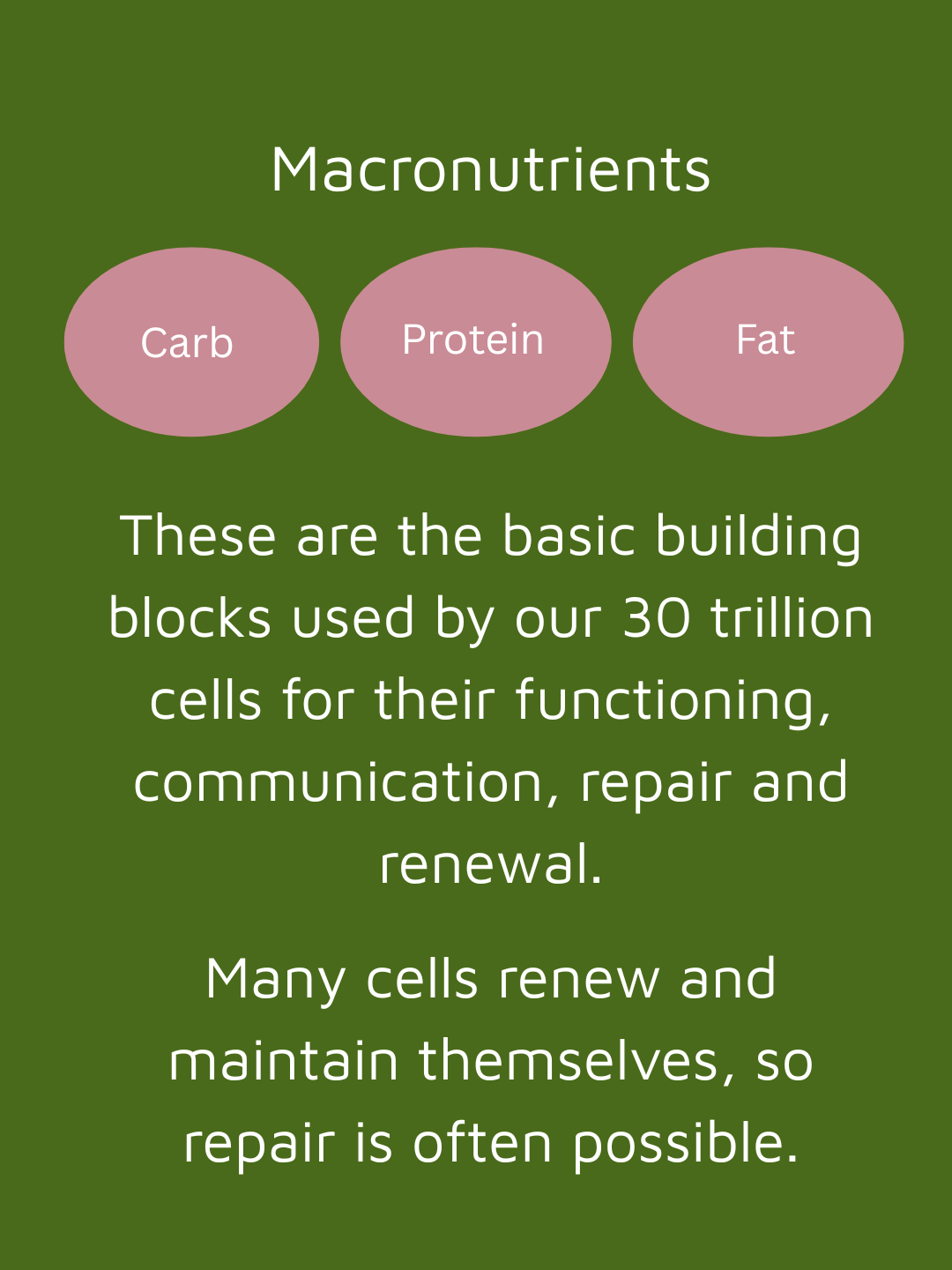
Our bodies are made up of an estimated 30 trillion cells and there are around 200 cell types in the human body. Each have unique and complex structures and roles, and they need a variety of biomolecules to properly function, communicate with each-other and repair and renew themselves. What we take in, whether food, herbs, or supplements, is our medicine in this sense. The body is not static, most cells are continuously being replaced, and this is why some will experience a reversal of inflammation or disease processes when they change their diet.
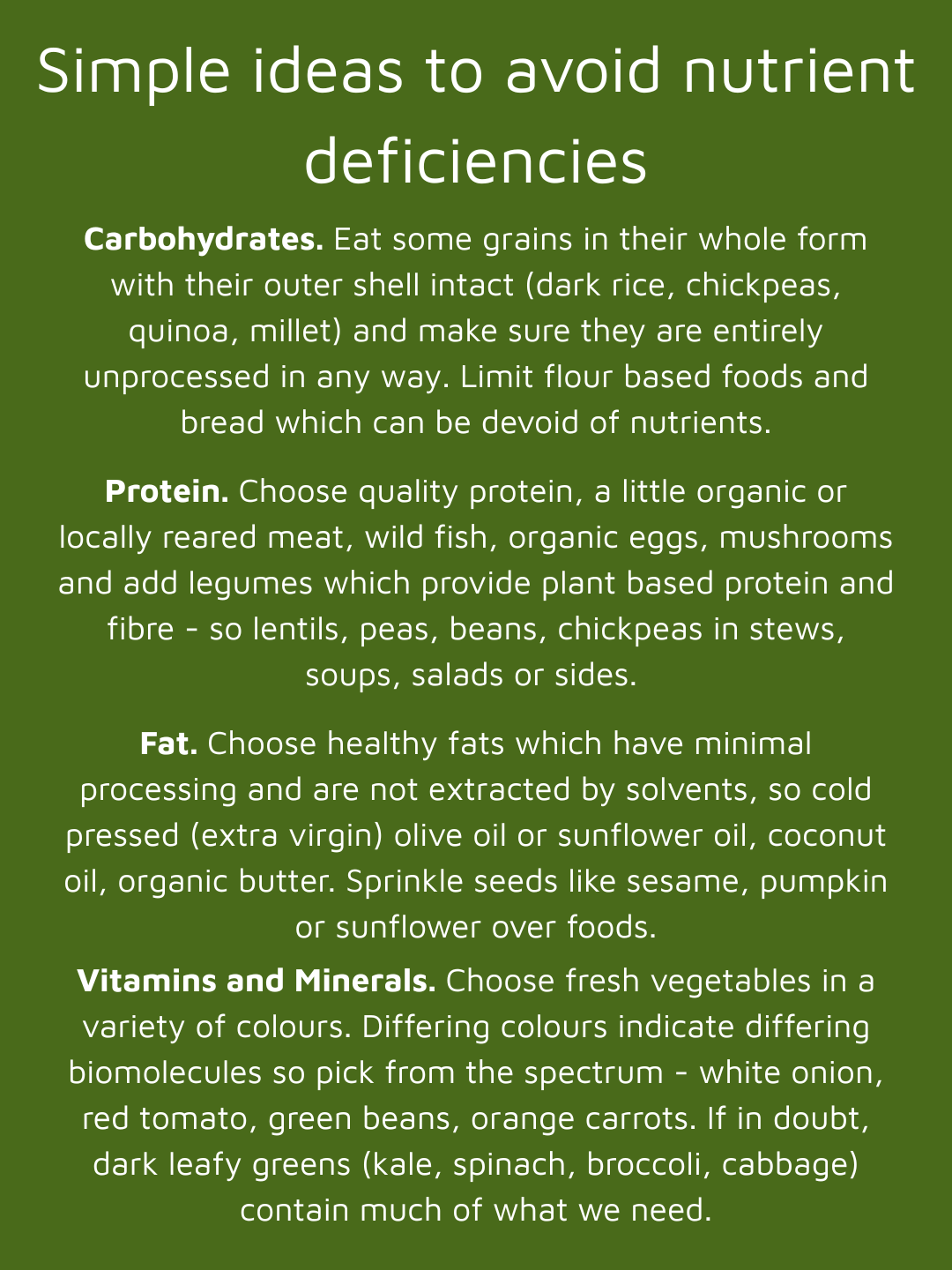
I started to try and trace foods back to their original form – the intact grain with its outer shell, the seed, the legume, the organic leaf, the local meat or wild fish. And to think about the soil, conditions and location of where something has come from. I used to live on a diet that centred around potatoes, bread and cheese, so learned the hard way about nutrient deficiency.
Blood tests will sometimes indicate singular deficiencies. Common ones are iron, ferritin, vitamin D or B12. But where there is one, there are naturally likely to be others, and it’s usually helpful to approach by way of diversity. There are many precursors, cofactors and biochemical cascades involved in creating what the body needs to function; iron relies on many essential vitamins and minerals for its production, and needs healthy red blood cells, B12 and ferritin to be utilised properly.
Seeing a herbalist or nutritionist trained in medical complaints can help link symptoms to deficiencies and to hone in on the range of foods, herbs or nutrients most likely to help. B-vitamin deficiencies may show up as tiredness, poor focus and concentration, and sometimes cracked corners of the mouth. Nails may show us signs of mineral deficiencies.
Frequently people are using medication or supplements, exercising, and following a helpful lifestyle practices like meditation or breath work. But they may not have focused on specific foods and herbs for their health issue. I often find this is a missing element that can be worked on alongside everything else.
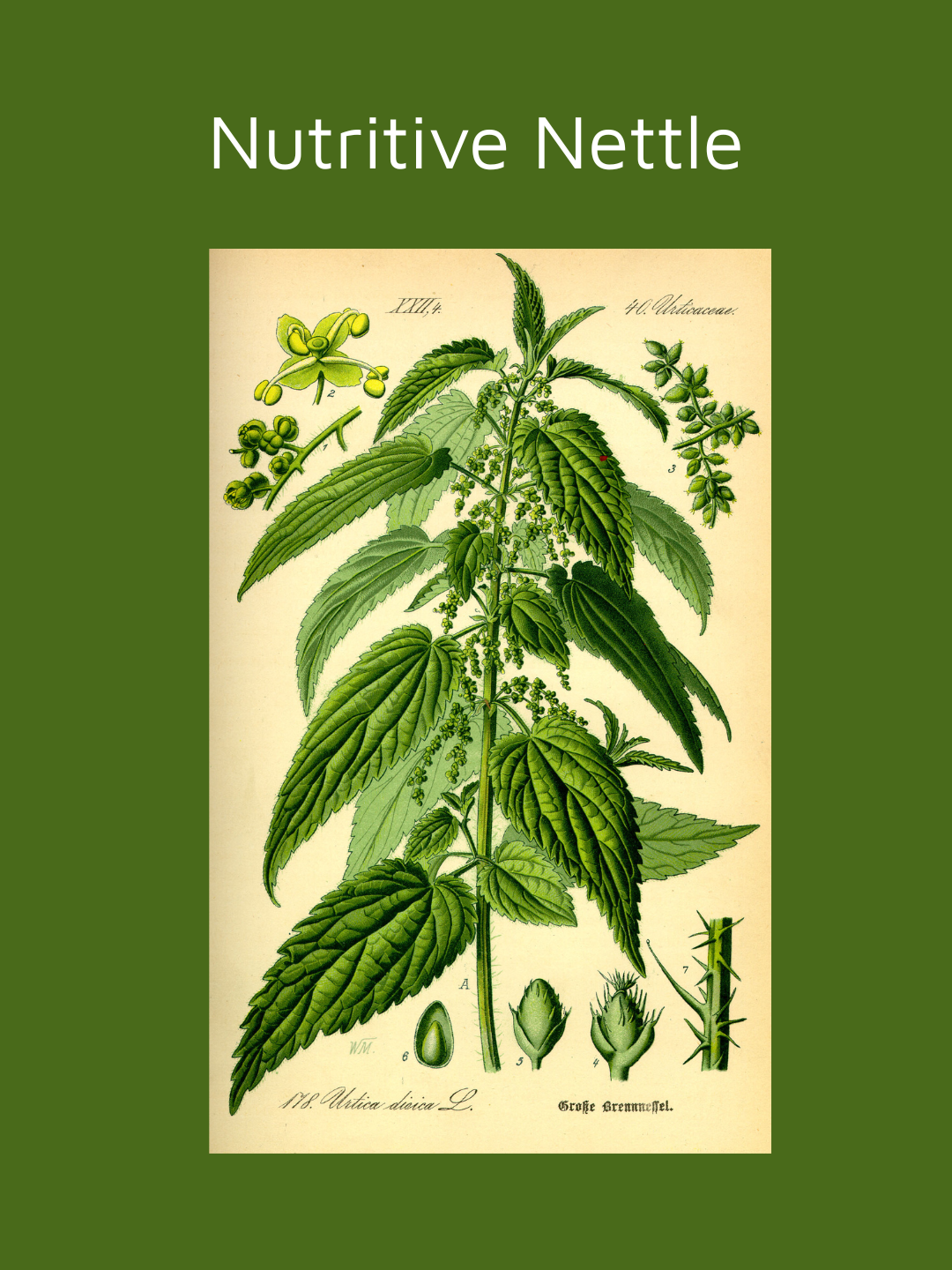
Nettle is the nutritive star of herbal medicine, a hardy and weedy plant which can be found worldwide, except in Antarctica. The plant contains high levels of protein, vitamins and minerals which help to nourish and strengthen weakened tissues and systems. Traditionally in the Orkney and Shetland islands it was noted as a cure for scurvy, perhaps because of a lack of other vitamin rich plants or berries.
Leaves should be picked in early spring before the plant has flowered. Romania marks this day as ‘the wedding of the nettle’ on the 2nd May. They can be eaten as food in soups, stews or pestos (blanching leaves in boiling water briefly will remove the sting).
Nettle is nice as a tea which supports protein, fat and waste metabolism in the body. It helps clear purines and uric acid which can cause gout, joint pain or kidney stones, and also acts to lower blood cholesterol. Nettle’s stinging hairs contain histamine, serotonin and acetylcholine – neurotransmitters involved in mediating allergic and immune response. This is why nettle is commonly used in hay fever blends.
Nettle seed is an underused native adaptogen and tonic to restore energy. They can be used in energy balls – a recipe is below and this video shows how to identify them on the female plants later in summer. Use small quantities to begin with as they can be stimulating.
Nettle and Cacao energy balls recipe
Ingredients:
4tbsp 100% peanut butter (or another 100% nut butter)
1-2tsp raw cacao powder
1 tsp semi-firm honey
1/2-1 tsp nettle seed
1/2-1 tsp sesame seed
Method:
1. Combine ingredients in a bowl, mashing with a fork to bring together.
2. To soften consistency add a little more honey, or if too soft add a little more cacao.
3. Roll into small balls.
These can be stored in the fridge for up to 3 days.
Until the next word,
Take care.
Any questions or feedback? Contact me here.
A bibliography list is available on request for this article.